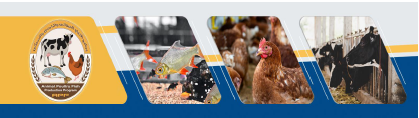
The Animal Production Department is one of the most important departments at the Agricultural Research Center. Its aim is to develop and improve livestock productivity in various regions by working to enhance the environmental conditions surrounding animals, thereby increasing production efficiency in many areas of Yemen.
The department aims to conduct the following studies and research:
Conducting research and studies related to livestock production and marketing, the problems facing this sector, and finding appropriate solutions.
Conducting research and studies related to poultry production and marketing, the problems facing this sector, and finding appropriate solutions.
Monitoring livestock resources and feed resources in different regions, identifying obstacles that limit their development, and proposing ways to overcome these obstacles or mitigate their effects.
Developing scientific and applied research proposals and studies that promote the optimal use of these resources while ensuring their sustainability and maintenance.
Preparing qualification and training programs to develop technical personnel capable of applying modern scientific concepts for the use and management of natural environmental resources. Scientific cooperation with local and international organizations to transfer advanced technologies in the field of animal and poultry production, aiming to accelerate and increase livestock development rates in various regions of Yemen.
Implementing research and training programs in collaboration with other departments of the center to foster constructive integration among the center's various disciplines.
Utilizing advanced technologies and modern applied techniques in the field of genetic improvement and increasing the productivity of livestock and poultry herds, keeping pace with scientific advancements in this regard in a manner appropriate to the grazing and forage resources in the agricultural environment.
Strengthening the role of animal and poultry production as an effective tool for addressing global challenges such as climate change, desertification, various types of pollution, and biodiversity loss.
Producing improved breeds with high productivity and disease resistance (increasing reproductive efficiency).
Enhancing nutritional efficiency.
Maintaining animal health and preventing diseases.
Improving animal husbandry practices.
Reducing feed costs, treating and recycling waste, producing animal feed using treated wastewater, and treating waste from fish farms.
Improving the dairy industry (new products and increased shelf life).
Improving and increasing livestock productivity. Increase and sustain feed production.
Preserve and optimize the use of local animal breeds' genetic resources and improve them.